

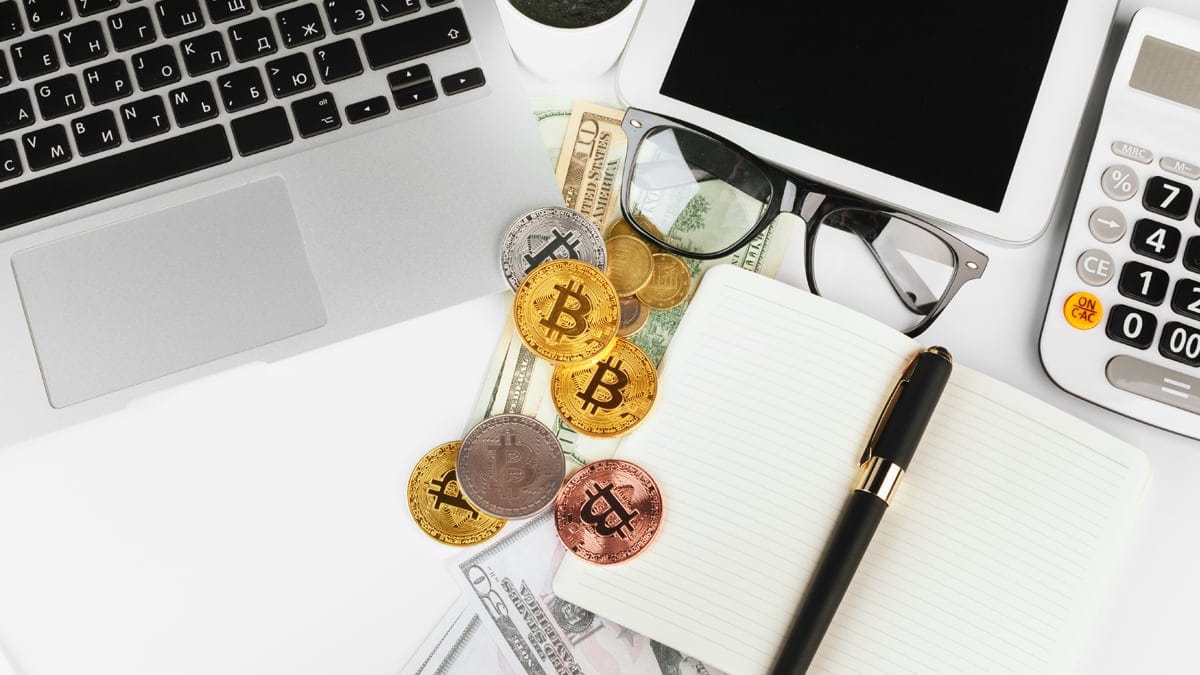
Bitcoin may have been around for more than a decade, but governments have yet to develop ways to regulate cryptocurrency.
Expats investing in crypto have a more challenging time than most, as holding and trading is treated differently as they move across borders.
To help keep up with the fast-moving world of crypto, here’s an explanation of the legal and tax treatment of digital currency investments in some leading economies.
Table of contents
USA
The US is one of the global centres for cryptocurrency and blockchain developers. Since China banned crypto mining in September 2021, the market has shifted to make the States the leader in uncovering new bitcoin and other ‘mined’ crypto.
The US financial regulator, the Securities and Exchange Commission (SEC), considers crypto a security. Strict rules to protect investors surround the launch and ongoing administration of securities, like publishing a detailed prospectus for an initial coin offering (ICO).
Cryptos are not recognised as currencies but property, which means they are not exempt from capital gains taxes when sold or income taxes when generating interest or other returns.
Two cases to watch are the SEC v Ripple Labs, the company behind crypto XRP, and the SEC v Coinbase, the leading US crypto exchange.
China
China ordered crypto exchanges to close and stopped them from providing services in the country in 2017, prompting Binance, the world’s largest exchange, to uproot and move to the Cayman Islands. A ban on mining crypto followed the move in May 2021.
China was the world’s largest crypto mining community until the ban. Miners have now relocated to the US and Kazakhstan.
The government refuses to treat crypto as legal tender.
UK
Crypto is not illegal in the UK but is treated as property rather than legal tender. That means capital gains tax applies to disposals, and income tax is charged on interest.
Traders may pay income tax on profits, depending on how much trading they do and the level of profits they make. Companies trading cryptos pay Corporation Tax on any profits and gains.
Regulator the Financial Conduct Authority (FCA) has banned derivative trading in cryptos.
Australia
Cryptocurrency is property, not legal tender in Australia, which triggers capital gains tax on investment profits. ICOs are tightly monitored, but exchanges cannot offer privacy coins.
Singapore
treats cryptocurrency in ways similar to the UK and Australia. Cryptos are not legal tender but property for tax, but a benign tax regime means long-term gains are often exempt from tax. However, professional set-ups, like companies, pay income tax on regular crypto gains.
European Union
Crypto is not illegal in the European Union, but the EU is working towards a common licensing and regulatory standard. No EU nation accepts cryptos as legal tender but treats them as property. How property is taxed varies between states. Some apply capital gains and income taxes, while others charge tax to cryptos at a zero rate.
Countries With Crypto Bans And Taxes
The US Library of Congress keeps a list of countries where cryptocurrencies are illegal. The listings cover absolute and implicit bans.
An absolute ban is when any cryptocurrency activity is illegal. An implicit ban covers stopping banks and exchanges from dealing in cryptocurrencies or offering services to trade cryptocurrencies.
Nine countries have absolute bans and 42 implicit bans.
| Country | Crypto Ban – Absolute | Crypto Ban – Implicit | Crypto tax |
|---|---|---|---|
| Albania | No | No | Yes |
| Algeria | Yes | No | No |
| Angola | No | No | No |
| Anguilla | No | No | No |
| Antigua and Barbuda | No | No | – |
| Argentina | No | No | Yes |
| Australia | No | No | Yes |
| Austria | No | No | Yes |
| Azerbaijan | No | No | Yes |
| Bahamas | No | No | – |
| Bahrain | No | Yes | No |
| Bangladesh | Yes | No | – |
| Belarus | No | No | Yes |
| Belgium | No | No | Yes |
| Benin | No | Yes | – |
| Bermuda | No | No | No |
| Bhutan | No | No | – |
| Bolivia | No | Yes | No |
| Brazil | No | No | Yes |
| Brunei | No | No | – |
| Bulgaria | No | No | No |
| Burkina Faso | No | Yes | – |
| Burundi | No | Yes | – |
| Cabo Verde | No | No | No |
| Cameroon | No | Yes | – |
| Canada | No | No | Yes |
| Cayman Islands | No | No | No |
| Central African Republic | No | Yes | – |
| Chad | No | Yes | – |
| Chile | No | No | Yes |
| China | Yes | No | – |
| Colombia | No | No | Yes |
| Costa Rica | No | No | Yes |
| Côte d’Ivoire | No | Yes | – |
| Croatia | No | No | Yes |
| Cuba | No | No | – |
| Cyprus | No | No | Yes |
| Czech Republic | No | No | Yes |
| Democratic Republic of the Congo | No | Yes | – |
| Denmark | No | No | Yes |
| Ecuador | No | Yes | No |
| Egypt | Yes | No | No |
| El Salvador | No | No | Yes |
| Estonia | No | No | Yes |
| European Union | No | No | No |
| Finland | No | No | Yes |
| France | No | No | Yes |
| Gabon | No | Yes | – |
| Georgia | No | Yes | Yes |
| Germany | No | No | Yes |
| Gibraltar | No | No | Yes |
| Greece | No | No | Yes |
| Guernsey | No | No | Yes |
| Guyana | No | Yes | No |
| Hong Kong | No | No | Yes |
| Hungary | No | No | Yes |
| Iceland | No | No | Yes |
| India | No | No | Yes |
| Indonesia | No | Yes | No |
| Iraq | Yes | No | No |
| Ireland | No | No | Yes |
| Isle of Man | No | No | No |
| Israel | No | No | Yes |
| Italy | No | No | Yes |
| Japan | No | No | Yes |
| Jersey | No | No | Yes |
| Jordan | No | Yes | No |
| Kazakhstan | No | Yes | No |
| Kenya | No | No | Yes |
| Kuwait | No | Yes | – |
| Kyrgyzstan | No | No | Yes |
| Latvia | No | No | Yes |
| Lebanon | No | Yes | No |
| Lesotho | No | Yes | No |
| Libya | No | Yes | No |
| Liechtenstein | No | No | Yes |
| Lithuania | No | No | Yes |
| Luxembourg | No | No | Yes |
| Macao | No | Yes | – |
| Malaysia | No | No | Yes |
| Maldives | No | Yes | – |
| Mali | No | Yes | – |
| Malta | No | No | Yes |
| Mauritius | No | No | No |
| Mexico | No | No | – |
| Moldova | No | Yes | No |
| Montenegro | No | No | No |
| Morocco | Yes | No | No |
| Namibia | No | Yes | No |
| Nepal | Yes | No | – |
| Netherlands | No | No | Yes |
| New Zealand | No | No | Yes |
| Niger | No | Yes | – |
| Nigeria | No | Yes | No |
| Norway | No | No | Yes |
| Oman | No | Yes | No |
| Pakistan | No | Yes | – |
| Palau | No | Yes | No |
| Philippines | No | No | – |
| Poland | No | No | Yes |
| Portugal | No | No | Yes |
| Qatar | Yes | No | No |
| Republic of the Congo | No | Yes | – |
| Romania | No | No | Yes |
| Russian Federation | No | No | Yes |
| Saint Kitts and Nevis | No | No | Yes |
| Saint Lucia | No | No | – |
| Samoa | No | No | – |
| Saudi Arabia | No | Yes | No |
| Senegal | No | Yes | – |
| Serbia | No | No | Yes |
| Singapore | No | No | Yes |
| Slovakia | No | No | Yes |
| Slovenia | No | No | Yes |
| South Africa | No | No | Yes |
| South Korea | No | No | Yes |
| Spain | No | No | Yes |
| Sri Lanka | No | No | – |
| Sweden | No | No | Yes |
| Switzerland | No | No | Yes |
| Taiwan | No | No | Yes |
| Tajikistan | No | Yes | No |
| Tanzania | No | Yes | No |
| Thailand | No | No | Yes |
| Togo | No | Yes | – |
| Tunisia | Yes | No | No |
| Turkey | No | Yes | Yes |
| Turkmenistan | No | Yes | No |
| Ukraine | No | No | Yes |
| United Arab Emirates | No | Yes | Yes |
| United Kingdom | No | No | Yes |
| United States | No | No | Yes |
| Uzbekistan | No | No | Yes |
| Venezuela | No | No | – |
| Vietnam | No | Yes | No |
| Zimbabwe | No | Yes | No |
Expats and crypto taxes
How crypto profits are taxed for expats depends on their residence status.
For example, a British expat on temporary assignment to Germany is a likely UK taxpayer and subject to UK cryptocurrency rules. However, an expat who has permanently moved to Spain is subject to Spanish taxes and crypto laws.
Cryptocurrency Tax And Rules By Country FAQ
Some cryptos, like Bitcoin, generate new coins when complex equations built-in to the blockchain are solved. The process of releasing new coins is called mining.
Securities are financial instruments with a monetary value. Securities tend to come in three types:
Equity – a right of ownership, like stocks and shares
Debt – loans with regular payments, like a mortgage
Hybrids – a mix of debt and equity
ICO stands for initial coin offering. The ICO is when a start-up crypto seeks funding from investors, similar to a company going public and issuing shares for the first time.
A blockchain is a database or ledger that underpins a cryptocurrency. The blockchain is decentralised on a peer-to-peer network, so no one person or computer controls the crypto. The P2P network monitors and confirms transactions before they are locked into the blockchain.
Privacy coins are cryptos with enhanced security designed to protect the holder’s identity. Leading privacy coins include Monero, Dash, Z-cash, Verge and Beam.
Related Information
Below is a list of related articles you may find of interest.
