

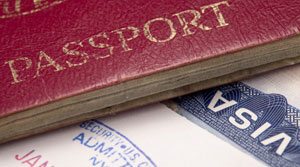
In a bid to reduce a glut of unsold properties and kick start the economy, Spain is offering foreigners who buy a home a residency permit.
However, they must invest 160,000 euros (£130,000) to be eligible for the planned scheme. The amount is equal to the nation’s average property price.
The Spanish government is trying to attract investment mainly from China and Russia.
Jaime Garcia-Legaz, the country’s secretary of state for trade, told a conference in Madrid that he wanted to reactivate demand from foreign buyers and help reduce housing stock.
He added: “This is a balanced figure because if it was lower it might trigger excessive demand from people wanting residency permits with housing being the excuse to get them.”
The benefit of having a Spanish residency permit is that it would allow the holder to move around the 25-nation Schengen freely.
Property collapse prompts move
The agreement allows people to travel between member countries but not to work.
Property analysts are waiting to see if the permit offer allows extends to spouses and children.
It’s also unclear whether the Spanish idea will also pave the way towards the permit holder becoming eligible for a Spanish passport which would give them the right to travel and work anywhere in the European Union.
Spain’s move is similar to those launched by Portugal and Ireland which offered residency permission in exchange for property investments of 400,000 and 500,000 euros respectively.
Cyprus also has a similar residency scheme with a minimum of 300,000 euros needed.
The move comes after all four countries suffered heavily when their over-inflated property markets collapsed in the 2008 financial crisis.
Target is rich Russians and Chinese
The result was that banks held mortgages on property that was worth a fraction of its original price.
And now Spain has around 750,000 waiting to be sold – though a large chunk of those are on developments that have never been lived in.
The plan will appeal especially to Russians because they have to apply for a visa every time they visit – even if they own property in the country.
In the small print of the residency scheme are details that those taking up the scheme will need to have sufficient health insurance to cover any potential medical care so they are not a burden on the Spanish system. They will also not be allowed to work.
Spain’s announcement comes at an interesting time since there are large Russian ex-pat communities on the Costa Brava with Russians accounting for 8% and the Chinese making up 4% of the country’s foreign property buyers.

Any updates about this matter
the who has 160.000 doesn’t need possibility to move around schengen. this is so naive from spanish government. pay additional medical insurance, pay 8% transfer tax costs, not allowed to work, pay huge annual property tax… why the fuck I would need that property for???
to save spanish economy?
them better get real about this or else this makes no fucking sense at all.
the one who has 160.000 doesn’t need possibility to move around schengen.
this is so naive from spanish government. investor must pay additional medical
insurance, 8% transfer tax costs + other hidden costs, he’s not allowed to work, one must pay huge annual property tax… why the fuck I would need that property for???
to save spanish economy?
them better get real about this or else this makes no fucking sense at all.
Yes it is a good idea. My father is very much interested in buying property in foreign countries. He has already bought one in Canada and is looking forward to Spain. Got to know about this. I like it. Can you show up some details of the properties for sale. Waiting for it. Thank you..!! 🙂
The Spanish government changed their mind on the amount and increased it to 500,000 Euros. However the law has now been passed in parliament.